Got a New Online Business? How Do you Market it?

Marketing a local business online can be done effectively through a combination of various strategies. Here are some key steps to consider:
——————————————————————-
- Build a professional website: Create a user-friendly and visually appealing website that represents your local business accurately. Ensure it is mobile-responsive and optimized for search engines.
- Local search engine optimization (SEO): Optimize your website for local search by including relevant keywords, adding location-specific content, and optimizing meta tags. Register your business with Google My Business and other local directories to improve your visibility in local search results.
- Online directories and listings: Submit your business information to local directories such as Yelp, Yellow Pages, Bing Places, and TripAdvisor. Ensure your business details (name, address, phone number) are consistent across all platforms.
- Online reviews and ratings: Encourage satisfied customers to leave positive reviews on platforms like Google, Yelp, and Facebook. Monitor and respond to reviews promptly, addressing any concerns or feedback. Positive reviews can boost your credibility and attract more customers.
- Social media marketing: Create profiles on popular social media platforms like Facebook, Instagram, Twitter, and LinkedIn. Share engaging content, post updates about your business, and interact with your audience. Utilize targeted advertising options to reach a local audience.
- Local content marketing: Create valuable and informative content related to your local area or industry. This can include blog posts, videos, infographics, or local guides. Share this content on your website, social media, and other relevant platforms to establish your expertise and attract local customers.
- Email marketing: Build an email list of local customers and prospects who have shown interest in your business. Send regular newsletters, promotions, or updates to stay connected and encourage repeat business.
- Online advertising: Utilize online advertising platforms such as Google Ads, Facebook Ads, or local advertising networks to reach a targeted local audience. Set specific geographic targeting parameters to focus your ads on the relevant local market.
- Collaborate with local influencers: Identify influential individuals or organizations within your local community, such as bloggers, social media influencers, or local publications. Collaborate with them to promote your business through sponsored content or partnerships.
- Monitor and analyze: Regularly track your online marketing efforts using tools like Google Analytics. Monitor website traffic, conversion rates, and engagement metrics to assess the effectiveness of your strategies and make necessary adjustments.
Remember, effective online marketing for a local business requires consistent effort, adapting to the needs of your target audience, and staying engaged with your online community. Continually assess and refine your strategies based on data and customer feedback to maximize your online presence and attract local customers.
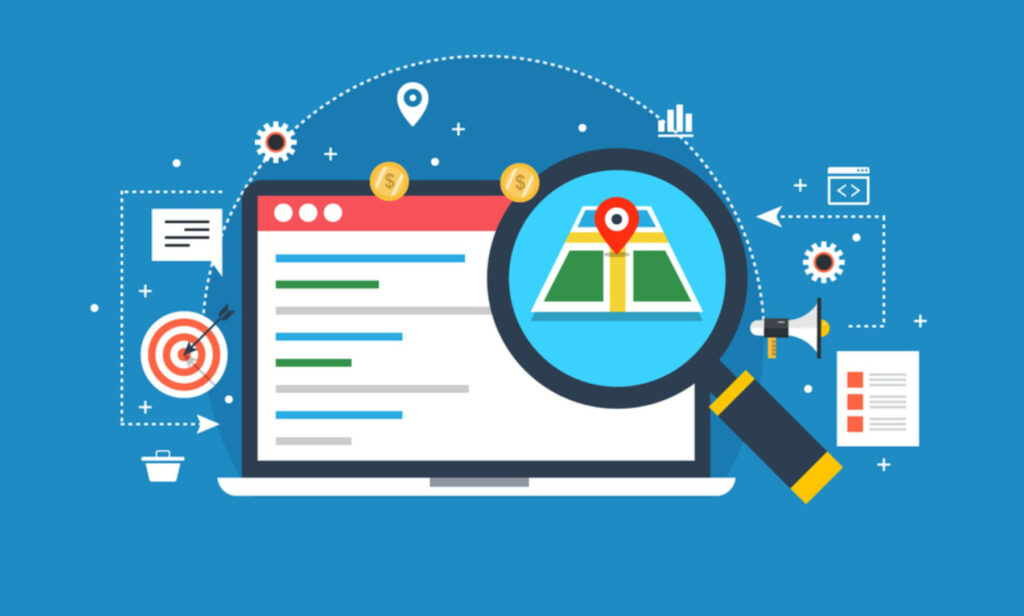
To get Google to index your new content and have it appear in search results, follow these steps:
- Create high-quality content: Ensure your new content is original, valuable, and relevant to your target audience. Content that provides unique insights, solves problems, or offers useful information is more likely to be indexed and ranked by Google.
- Use proper on-page optimization: Optimize your content for search engines by including relevant keywords in your title tags, headings, meta descriptions, and throughout the body of your content. However, make sure to maintain a natural and user-friendly writing style.
- Create a sitemap: Generate an XML sitemap that includes all the URLs of your new content and submit it to Google Search Console. This helps Google’s bots discover and index your content more efficiently.
- Use internal linking: Link to your new content from relevant pages on your website. Internal linking helps search engines discover and crawl your content, improving its chances of being indexed.
- Share on social media and other platforms: Promote your new content on social media platforms, relevant online communities, and through your email newsletter. Increased visibility and traffic to your content can signal its importance to Google and prompt faster indexing.
- Fetch and submit your content to Google: Use Google Search Console to request that Google crawls and indexes your new content. You can use the “URL Inspection” tool to directly submit your content or request indexing for specific URLs.
- Build backlinks: Earn high-quality backlinks from authoritative websites to increase the visibility and credibility of your content. Backlinks from reputable sources can help Google discover and index your content faster.
- Update your sitemap: As you publish new content regularly, make sure to update your sitemap and resubmit it to Google Search Console. This ensures that Google is aware of the latest additions to your website.
- Monitor index status: Regularly check Google Search Console to monitor the index status of your new content. Look for any crawl errors or issues that may be preventing indexing, and address them promptly.
- Be patient and persistent: Google’s indexing process can take time, especially for new or low-authority websites. It’s important to be patient and continue producing high-quality content while employing effective SEO strategies.
Remember that indexing does not guarantee high rankings in search results. To improve your visibility and rankings, focus on creating valuable content, optimizing for relevant keywords, and building a strong online presence through SEO best practices.